

A Chicago listener becomes a guitarist
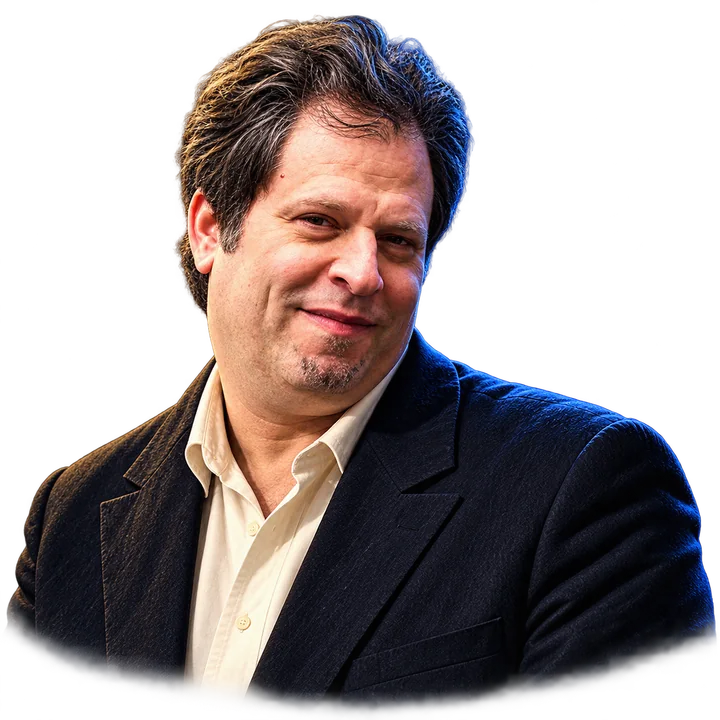
Dave Specter was born in Chicago in 1963 and grew up on the North Side in a musical family. His parents listened to classical and folk music, his sister played guitar, and his older brother brought blues records and stories of Chicago clubs into the house. Radio also mattered: WFMT’s Midnight Special put folk singers and blues performers within the same listening world. Specter took piano lessons as a child but did not start guitar until eighteen.
Rock initially provided an entry point. Keith Richards was an early guitar hero, and records by the Rolling Stones, the Allman Brothers, and the Grateful Dead helped lead him toward the musicians they admired. Hearing B.B. King, Bobby Bland, Buddy Guy, and Junior Wells deepened that interest. While attending the University of Illinois, he began playing seriously, then returned to Chicago to spend more time around live blues.
Learning the work from inside the clubs
Specter worked as a shipping clerk at Delmark and as a doorman at B.L.U.E.S. on Halsted. Both jobs placed him near musicians and the practical business of getting music heard. Jimmy Johnson gave him lessons and introduced him to Steve Freund, who became an important teacher and mentor. Jam sessions and Sunnyland Slim’s Sunday performances offered further opportunities to listen and sit in.
Professional engagements followed quickly. Specter worked with Sam Lay and Hubert Sumlin, and briefly with the Legendary Blues Band. He then spent an important period playing rhythm guitar for Son Seals. That job meant maintaining the foundation beneath a powerful lead guitarist, often in a band with horns. It also brought touring, large audiences, and the discipline of a busy professional schedule.
By 1989 he wanted more room for his own repertoire and formed a band with singer Barkin’ Bill Smith. The move did not erase his experience as an accompanist. It gave him a way to combine the responsibilities of leading an ensemble with the responsive playing he had learned behind other musicians. Delmark signed the group, beginning a recording relationship that would span decades.
Bluebird Blues and the Delmark albums
Bluebird Blues appeared in 1991 with Barkin’ Bill’s vocals and a guest appearance by Ronnie Earl. It introduced Specter as a bandleader whose guitar could share the foreground with a strong singer. Rather than taking the microphone himself, he built recordings around vocal partners and instrumentals. Tad Robinson became a key collaborator on Blueplicity and Live in Europe, bringing singing and harmonica into that developing sound.
Left Turn on Blue explored the proximity between electric blues and older small-group jazz. Blues Spoken Here introduced singer Lenny Lynn and featured tenor saxophonist Eric Alexander. These were changes in musical company as well as changes in repertoire. Specter’s guitar remained identifiable across them, with a preference for melody, space, and rhythmic movement over a succession of climactic solos.
Speculatin’ developed the instrumental side further, using original compositions alongside music associated with Charles Earland, the Meters, Dizzy Gillespie, and Junior Walker. Is What It Is reunited him with Freund in a shared project. The albums reveal how naturally Specter’s blues vocabulary accommodates organ textures, jazz forms, and soul rhythms. His taste for these combinations grew from close attention to musicians rather than from a wish to move away from blues.
Specter’s recording life also included a deliberate move outside his usual label relationship. Spectified was recorded for Fret12 in 2010 as an instrumental project, with Hidalgo guesting on “Rumba & Tonic.” The album used horns as well as keyboards and guitar, building different rhythmic settings around the tunes. It was an extension of the interests heard on his Delmark releases, even though the business arrangement differed. That distinction matters in a career so closely associated with one Chicago label: the musical continuity came from Specter and his collaborators.
Soul voices and a voice of his own
Specter continued to alternate instrumental work with collaborations involving singers. Live in Chicago brought together performances at Buddy Guy’s Legends and Rosa’s Lounge with Jimmy Johnson, Tad Robinson, and Sharon Lewis. Spectified included David Hidalgo of Los Lobos. Message in Blue featured Otis Clay, Brother John Kattke, and Bob Corritore, linking Specter’s guitar to deep soul singing, keyboards, and harmonica.
Clay’s contributions included “I Found a Love,” “Got to Find a Way,” and “This Time I’m Gone for Good.” The pairing suited Specter’s interest in the close relationship between blues guitar and the language of soul singers. Kattke also became an enduring colleague, contributing keyboards and vocals rather than functioning simply as backing for a guitar showcase.
On Blues from the Inside Out in 2019, Specter began singing on his own records. Jorma Kaukonen contributed guitar and shared a writing credit. The album included “March Through the Darkness” and the New Orleans-influenced instrumental “Sanctifunkious,” bringing social concerns and rhythmic exploration into the same program. “The Ballad of George Floyd,” recorded with Billy Branch, subsequently extended the songwriting toward a specific public tragedy and the demand for change.
A retrospective, a venue, and Live at SPACE
Six String Soul: 30 Years on Delmark, released in 2021, assembled a career retrospective across Specter’s work as guitarist, bandleader, producer, and singer. The collection made clear how much of that career had depended on recurring partnerships, including singers whose voices changed the character of individual albums. Production was another sustained role, with work for Steve Freund, Lurrie Bell, and other artists extending his influence beyond his own releases.
Specter also became a partner in Evanston’s SPACE and the host of the Blues from the Inside Out podcast. Those activities created places for musicians to perform and discuss their work. They connect his later career to the listening and conversation through which he first learned the music in Chicago. His lyrics also entered the Woody Guthrie Center’s Songs of Conscience, Sounds of Freedom exhibition.
Live at SPACE arrived in June 2025 with Brother John Kattke on keyboards and vocals, Rodrigo Mantovani on bass, and Marty Binder on drums. Recorded in the venue with which Specter had a long personal association, it presented the working quartet in a live setting. A sold-out release concert followed. The album brought together the roles his career had gradually accumulated: guitarist, singer, composer, collaborator, and organizer of musical spaces. Its ensemble format kept the emphasis on exchange, allowing the mature band sound to carry the music.