

Learning from J.B. Hutto
Ed Williams was born on Chicago’s West Side on April 8, 1955. His uncle J.B. Hutto gave him an unusually direct introduction to slide guitar and to the practical demands of playing blues. Williams and his half brother James “Pookie” Young learned from Hutto as teenagers, making music together long before they became nationally known. Williams was especially drawn to the sound and movement of Hutto’s slide.
Hutto taught more than individual licks. He introduced the brothers to performing and helped connect them with other players. Guitarist Dave Weld, who also studied with Hutto, became part of their early band. That relationship between lead guitar, rhythm guitar, and bass would remain fundamental to Williams’s music. His slide could be loose and explosive because the other musicians knew how to hold a pattern underneath it.
West Side work and an unexpected debut
Williams and Young formed the Blues Imperials in 1975. Their first engagement at Big Duke’s Blue Flame earned six dollars for the whole band. Regular work in neighborhood bars followed, but music initially had to fit around other employment. Williams worked as a buffer at the Red Carpet Car Wash, while Young drove a school bus. The band learned to sustain long sets and respond to dancers in rooms where musicians had to win attention directly.
A guest appearance at the first Chicago Blues Festival in 1984 helped lead to North Side engagements and Canadian festival appearances. The major recording break came when Bruce Iglauer invited the group to contribute to Alligator’s anthology The New Bluebloods. The musicians arrived at Streeterville Studios expecting to record two songs. Encouragement from the control room turned the session into something closer to a club show.
Iglauer offered an album contract while the session was still underway. Roughhousin’, released in September 1986, drew ten performances from the marathon recording. The original lineup included Williams, Young, Weld, and drummer Louis Henderson. The record preserved the directness of a group already trained by years of live work, with little need to construct its personality through studio overdubs.
A lasting band and a growing catalog
Guitarist Mike Garrett joined in 1987, and drummer Kelly Littleton followed in 1988. Together with Williams and Young, they formed the lineup that would carry the band through decades of touring. Chicken, Gravy & Biscuits arrived in 1989, expanding the audience established by Roughhousin’. The group’s identity depended on the relationship among all four players, with Garrett supplying rhythmic detail and Littleton pushing the beat beneath Williams’s leads.
Later Alligator releases included What You See Is What You Get, Get Wild!, Heads Up!, Rattleshake, Full Tilt, and Jump Start. The titles reflected a recurring appetite for motion and humor, but the repertoire also made room for slow blues and troubled relationships. Williams could deliver an exuberant boogie and then turn toward a song whose emotional weight depended on a restrained phrase or a sustained slide note.
In an interview during the Jump Start period, he described the different demands of recording and live performance. Studio work required preparation and attention to costs; onstage, a responsive audience could encourage him to stretch a song or invent words in the moment. His wife Pamela contributed to lyrics and helped manage his career. Williams described that support, and his long relationship with Iglauer, as important parts of keeping the band working.
The Big Sound and the shape of a performance
The Big Sound of Lil’ Ed & the Blues Imperials appeared in 2016. Williams and Iglauer produced it, with recording and mixing by Blaise Barton at Chicago’s Joyride Studios. Sumito “Ariyo” Ariyoshi added keyboards to the established quartet. Williams arranged the songs, maintaining a band sound that could accommodate another instrument without losing the rhythmic relationship at its center.
The fourteen-song program included “Giving Up on Your Love,” “Raining in Paris,” “Poor Man’s Song,” “Whiskey Flavored Tears,” and “Troubled World.” Those subjects widened the emotional setting beyond the celebration associated with his stage persona. Love, financial strain, and a disturbed social world existed alongside lighter material such as “I Like My Hot Sauce Cold.” The sequencing allowed different sides of the singer to sit within the same recognizable ensemble sound.
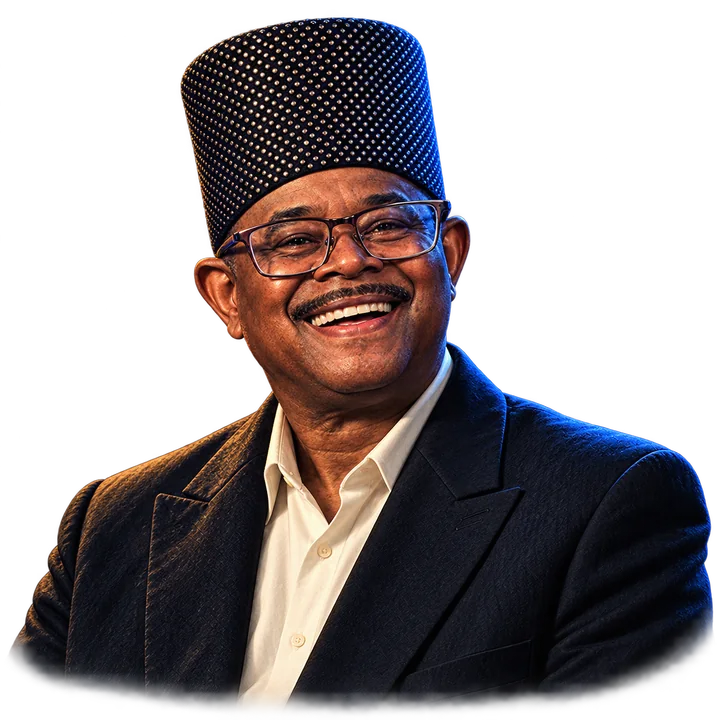
Williams’s performances draw visibly on an older Chicago tradition of entertainment. He wears a fez, moves through the audience, and uses humor and physical movement as part of the show. His playing is equally connected to Hutto, Elmore James, and Hound Dog Taylor. Yet the spectacle works because the songs continue underneath it. Young, Garrett, and Littleton provide the continuity that allows the frontman to take chances while retaining the force of a four-piece band.
Ariyoshi’s presence on The Big Sound connected the band to another longtime Chicago collaborator whose piano could reinforce a shuffle or broaden a slower arrangement. The album also kept a division of responsibilities that Williams had developed over years: he arranged the music, Garrett handled rhythm and occasional lead guitar, Young supplied bass, and Littleton played drums. Its credits name Williams and Iglauer as producers and Barton as recording engineer, reflecting a stable production partnership around a band that had retained its own identity.
Recognition and Slideways
The Blues Imperials received Blues Music Awards for Band of the Year in 2007 and 2009, along with repeated Living Blues recognition for live performance. In 2024 the group entered the Blues Foundation’s Blues Hall of Fame. Television appearances, including performances associated with Conan O’Brien and a 2025 Austin City Limits appearance, brought Williams’s approach to audiences beyond blues clubs and festivals.
Slideways, released in February 2026, continued the Alligator relationship. Williams and Iglauer again produced a thirteen-song program, with twelve songs written or co-written by Williams. Pianist Ben Levin appeared on eight selections, adding another musician versed in older blues styles to the quartet’s sound. The songs included “Bad All By Myself,” “The Flirt in the Car Wash Skirt,” “Homeless Blues,” and “13th Street and Trouble.”
The title “The Flirt in the Car Wash Skirt” also returned Williams’s songwriting imagination to the kind of workplace that had supported him before his first album. His mature career has remained close to ordinary situations, jokes, worries, and encounters. The continuity of the band makes those new songs part of a long collective history. Hutto’s teaching survives through an active repertoire and through the way Williams and his partners build a performance together.