
Mississippi and an early encounter with Chicago
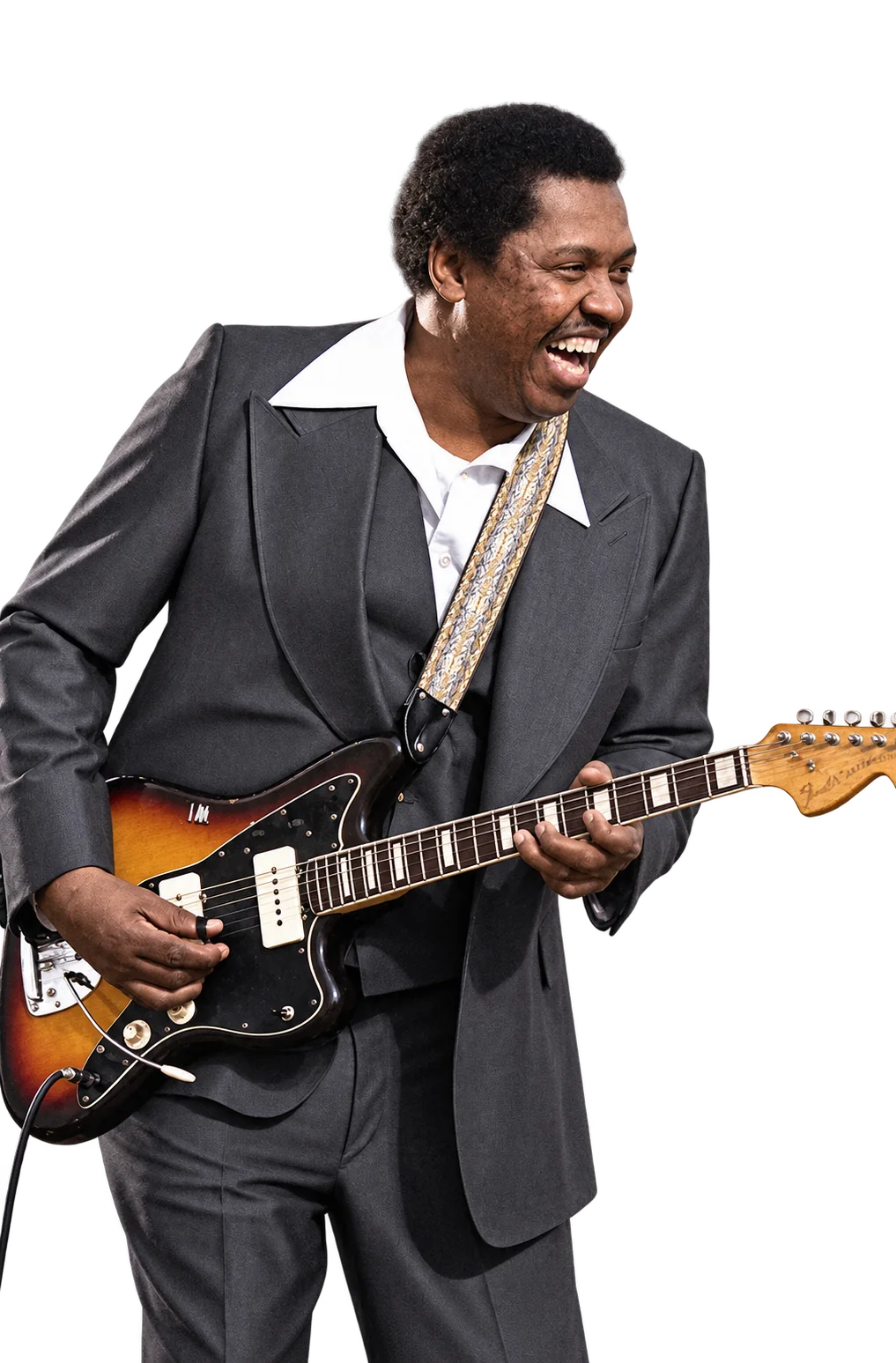
Morris Holt was born in 1937 near Grenada, Mississippi. He first played piano, but an injury to his hand in a farming accident changed his direction toward guitar. The instrument became the foundation of a career built on forceful rhythm, a broad repertoire and an unusually durable band identity. His later stage name, Magic Slim, came through his friendship with Magic Sam, whose example helped connect him with Chicago’s blues scene.
Slim made an initial move to Chicago in 1955 and played bass with Sam before returning to Mississippi to develop his skills. The experience exposed him to players whose individual sounds were already changing the city’s music. Muddy Waters, Freddie King and Otis Rush joined Sam among his influences. When Slim returned north during the following decade, he had a clearer sense of the guitarist and singer he wanted to become. His sound would remain direct and physically emphatic, but the band around him became as important as his own lead playing. The long apprenticeship mattered: the eventual Teardrops style grew from repeated performances and close attention to how a group could keep dancers moving.
The Teardrops and the sound of a working band
Slim joined a South Side outfit called Mr. Pitiful and the Teardrops as lead guitarist. When its singer left, he took over the vocals as well. His first single appeared in 1966, but his strongest early following came from club work. He eventually became a regular attraction at Florence’s Lounge, a venue closely associated with Hound Dog Taylor. Long evenings gave the band time to develop a common rhythmic language and a repertoire broad enough to avoid repeating the same small selection of songs.
His brother Nick Holt’s bass became an essential part of the sound. The second-guitar role was equally important. Junior Pettis, also known as Alabama Junior and Daddy Rabbit, helped establish a method based on moving single-note patterns that locked into the bass and crossed beneath Slim’s leads. A hard drum backbeat completed the framework. The result was more intricate than the band’s rough surface suggested: the force came from parts fitting together, with each player reinforcing the others. John Primer later became a particularly important second guitarist, but the position also included musicians such as James Wheeler, Jake Dawson and Jon McDonald. The Teardrops identity could survive personnel changes because its rhythmic priorities were so clear.
Living Chicago Blues, Raw Magic and Grand Slam
The late 1970s brought a wider recording audience. Slim appeared in Alligator’s Living Chicago Blues series, which introduced listeners to established local musicians who had not yet received comparable national exposure. European recording opportunities also grew. MCM, Isabel and other labels presented a band whose sound had been shaped in clubs rather than designed for a studio project. Regular European tours helped turn a Chicago neighborhood reputation into an international career.
Raw Magic, issued by Alligator in 1982, selected material from Slim’s French Isabel albums. It preserved the coordinated two-guitar approach and the weight of the rhythm section without smoothing away the attack of his voice or instrument. That same period produced Grand Slam for Rooster Blues, another important statement of the band’s sound. The records demonstrated how effectively a studio album could retain the concentration of a live set. Slim did not need elaborate production to make an impression, but that did not mean the music was unarranged. The interaction of guitar patterns, bass figures and drum accents supplied its structure. His singing, rough and emphatic, sat within that structure as another rhythmic force rather than an isolated voice placed over generic backing.
Another view of this period arrived much later through Delmark’s That Ain’t Right, which paired a 1977 Teardrops session produced by Ralph Bass with separate recordings by Joe Carter. Slim’s group included Nick Holt, Doug Holt and Coleman Pettis. Bass had intended the material for a series of blues albums, but the release plan fell through. Delmark’s eventual issue brought an earlier studio portrait of Slim into circulation after his international reputation was secure. The long delay gives the album a different place in his catalog from records released as his career developed.
John Primer, Lincoln and a long album career
Primer joined the Teardrops in 1983 and remained for thirteen years. He opened shows, sang his own material and helped lead the band, gaining experience that later supported his independent career. Slim’s group offered a demanding education in making a groove hold over an entire performance. The partnership also produced recordings for Wolf and other companies, adding to a catalog that preserved different nights, lineups and stages of the band’s development.
In 1994, Slim moved to Lincoln, Nebraska, where the Zoo Bar had already welcomed him for years. The venue was more than a stop on a tour: repeated engagements and recordings helped make it another musical home. His association with Blind Pig brought albums including Scufflin’, Black Tornado, Snakebite and Blue Magic. Dick Shurman produced Black Tornado, while Popa Chubby produced Blue Magic, showing that different collaborators could work with Slim without requiring him to abandon his central sound. His son Shawn Holt also became part of his musical life onstage and on record. The move to Nebraska changed his home base while his music continued to be identified with the Chicago band tradition he had spent decades developing.
The last Teardrops records and their influence
Midnight Blues in 2008 included guests such as James Cotton, Lonnie Brooks and Elvin Bishop. Raising the Bar followed, and Bad Boy in 2012 became Slim’s final album. These releases continued a career in which accumulated experience mattered more than a dramatic stylistic reinvention. Nick Holt’s death in 2009 removed a brother and longtime musical partner, but Slim continued taking the band to audiences until his own health deteriorated during a tour. He died in Philadelphia on February 21, 2013.
The Teardrops’ awards and continued reputation reflect their effectiveness as an ensemble as well as Slim’s personality. Younger musicians could learn from the way he sustained a recognizable band sound while accommodating different guitarists and drummers. Primer’s later work is one prominent continuation of that experience; Shawn Holt’s career provides another family connection. The records also preserve a particularly useful lesson about blues intensity. Volume and a gruff tone are only part of the effect. Slim’s strongest performances depend on repeated figures that keep moving, accompaniment that makes room for a leader and a shared sense of where the next accent belongs. The music feels unforced because the band has done the difficult work together, often over years of performing the songs for dancers.